
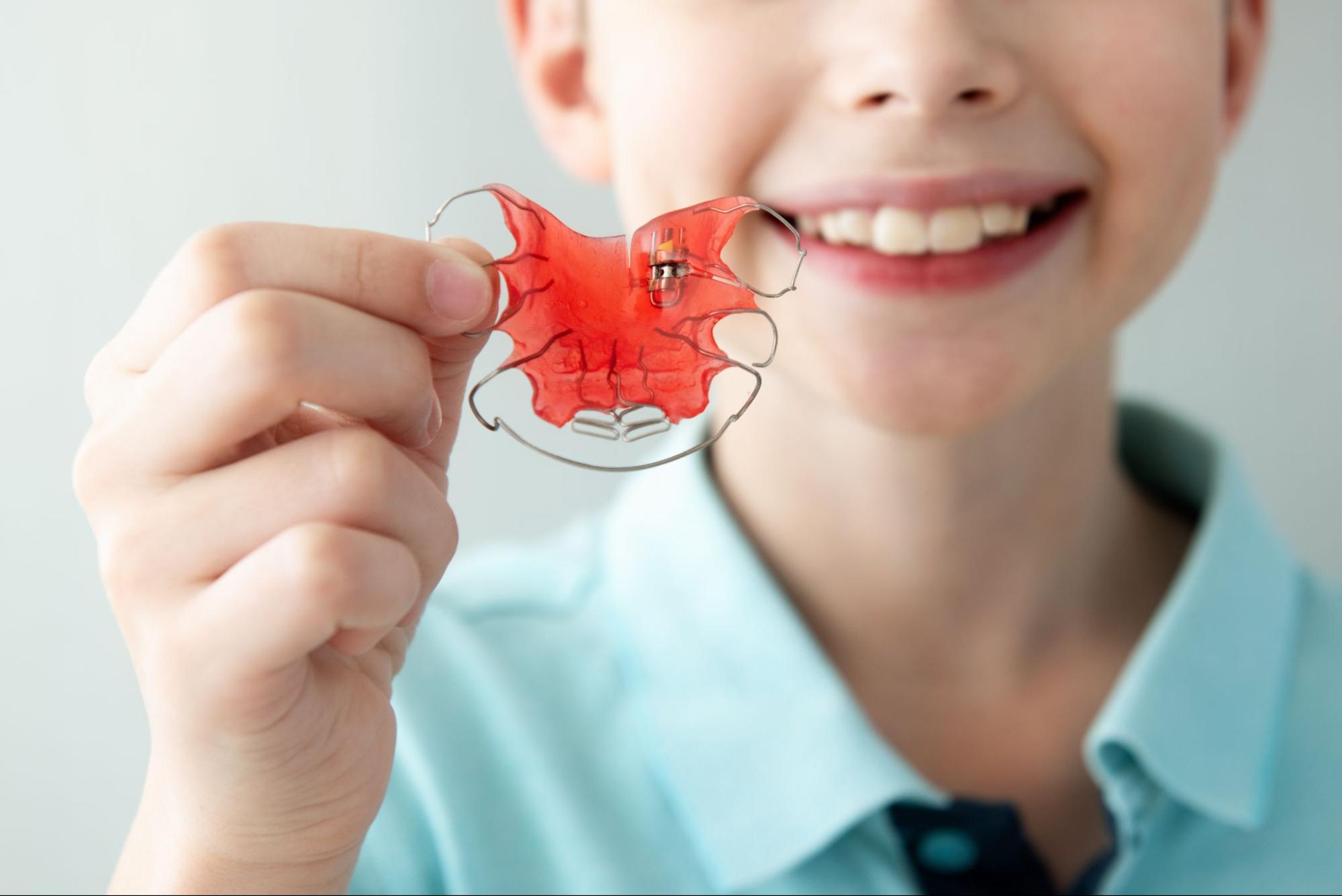
Braces get all the attention. They’re the part everyone sees and the part you plan around. However, once they’re off, there’s a quieter phase that matters just as much, and it often gets overlooked.
If you’ve been working with Dr. Sabelisin Sturbridge, your smile didn’t get here by accident. It took time, effort, and plenty of adjustments for your orthodontic treatment. The finish line isn’t when the brackets come off or when you stop going in for visits. The real finish line is keeping that progress in place. This is the part where the retainer comes in at Sturbridge Orthodontics.
Retainer After Braces
Without a retainer after braces, your teeth are likely to shift. They can sometimes do this gradually, or sometimes more quickly than expected.
In most cases, the changes happen gradually. You might notice slight crowding or a small gap that wasn’t there before. At first, it’s subtle; however, over time, your bite may feel off, or your front teeth no longer line up the way they did. It’s frustrating, especially after all the effort you put into treatment.
Your teeth don’t automatically stay putonce they’re aligned. They’re constantly reacting to pressure, chewing, clenching, and even how you sleep. A retainer acts like a seatbelt for your smile as it keeps everything stable while your body gets used to the new setup.
Wearing it consistently is what locks in your progress.
What Throws Your Teeth Off Course
Sometimes, it’s not obvious that things are shifting. You brush. You floss. You think you’re doing everything right. However, the retainer sits in the case more than it sits in your mouth, and that’s where the trouble starts.
A few things that lead to subtle (or not-so-subtle) relapse:
- Skipping nights because you’re tired or forgot
- Leaving your retainer in hot places like cars or in hot dish water (it can warp your retainer)
- Not replacing your retainer when it feels loose or cracked
- Assuming you’ve worn it “long enough” and stopping without a plan
These things don’t cause disaster overnight; however, they open the door. Once your teeth start to shift, getting them back into position is a lot more complicated than just popping the retainer back in.
If yours suddenly feels tight, that’s your early warning sign.
Retainers Make Everyday Life Easier
Retention works best when it’s consistent, so be sure to take care of them at home, but also keep your follow-up appointments. Wearing your retainer after braces helps keep your smile steady without turning it into a high-maintenance task.
It also supports your bite. When your bite stays balanced, chewing feels more natural, your jaw moves more freely, and your enamel stays protected.
Sticking with your retainer can help prevent issues like tension in your jaw, uneven wear on front teeth, or the need for another round of treatment later.
It’s a small step now that helps you avoid bigger problems later on.
Retention Should Be Part of the Routine
It’s common to think that once you’ve worn a retainer for a few months, you can stop. For most people, keeping their results means wearing a retainer long term.
That doesn’t mean it has to take over your day. Most of the time, wearing it at night is enough. It becomes part of your routine, just like brushing or flossing, which is something small that supports everything else.
You don’t stop brushing your teeth once they look good. You keep going because you want them to stay that way.
Wearing a retainer after braces works the same way. It helps you hold onto the progress you’ve already made.
How to Stay on Track Without Overthinking It
Retention can be simple if you build the right rhythm from the start. Start with this:
- Keep your retainer case in one go-to spot (so you’re not digging around)
- Pair retainer wear with something already routine, like brushing your teeth
- Do a quick visual check every few weeks to spot warping or cracks
If your retainer smells off, clean it with cold water and a retainer-safe solution. Never use boiling or soaking in mouthwash.
The less mental load it takes, the more likely you are to follow through. If you’ve fallen out of the habit, that’s fixable too. Bring your retainer in. Dr. Sabelis can check the fit and help you reset before it becomes a bigger issue.
That’s part of what makes Sturbridge Orthodonticsdifferent. Long-term results don’t get brushed aside here. They’re built into the care plan from day one.

Let’s Keep the Progress You Worked For
If your retainer hasn’t been worn in a while or it no longer fits the way it should, don’t try to guess whether everything is still in place. Bring it into our Sturbridge officeand have it checked.
Dr. Sabelis can take a closer look and help you figure out the next step. Whether it needs an adjustment or a full replacement, the team at Sturbridge Orthodonticsis here to help. Contact usif you have any questions or need an appointment.